Introduction
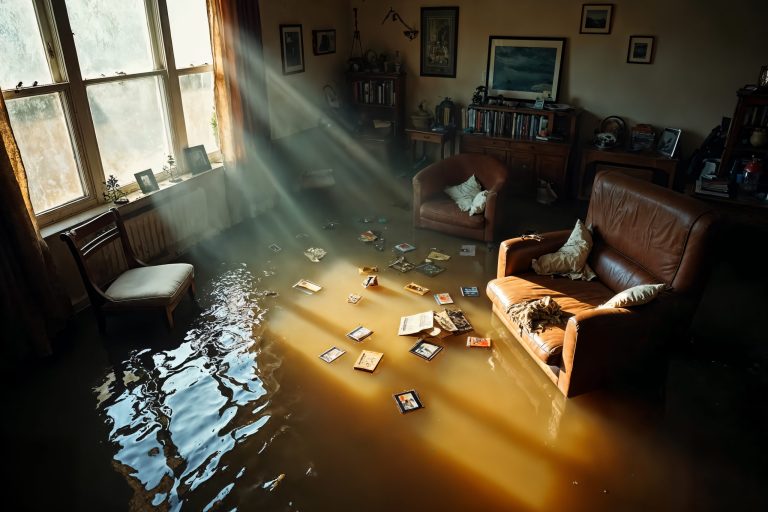
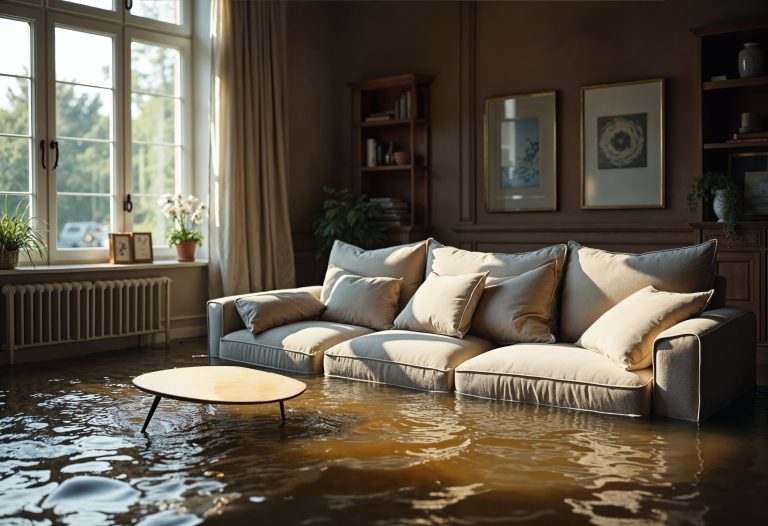
Water damage is one of the most common and costly issues homeowners face. Even small amounts of moisture can cause deterioration of materials, create unpleasant odors, weaken structures, and reduce the overall comfort and value of a home. Preventing water damage is far easier and less expensive than repairing it after it has spread. By paying close attention to potential moisture risks, completing routine maintenance, and improving the home’s resistance to water intrusion, homeowners can significantly reduce the likelihood of serious damage.
Keeping the home well maintained also supports long term durability and a healthier living environment. Preventive measures are especially important because water often travels behind walls, beneath floors, and through building materials before signs become visible. This makes early intervention the most effective strategy. Whether you are protecting your home’s foundation, plumbing system, roofing, or interior spaces, consistent preventive habits make the biggest difference.
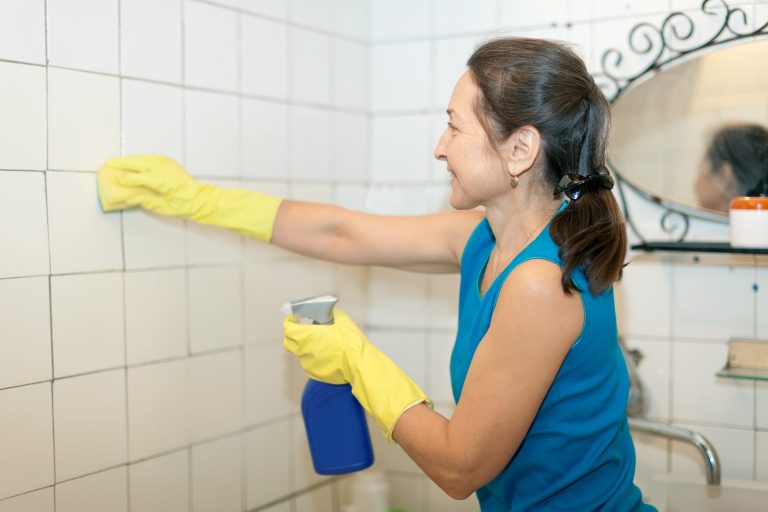
If you need support from a trusted tile and grout cleaning company, you can find reliable services dedicated to maintaining and restoring surfaces that contribute to the overall protection of your home.
This article explains the most effective strategies homeowners can use to prevent water damage. From monitoring plumbing systems to improving ventilation and sealing vulnerable areas, these practices ensure your home remains dry, stable, and safe throughout every season.
1. Why Preventing Water Damage Is So Important
Taking preventive steps helps avoid costly and time consuming repairs. Water damage affects multiple areas of a home, and once moisture spreads, the problems often multiply.
1.1 Protecting the Structural Stability of Your Home
When materials such as wood, drywall, or insulation absorb water, they begin to weaken. Over time, moisture exposure can alter the shape and strength of these building components. Prevention helps maintain the integrity of floors, walls, ceilings, beams, and foundations.
1.2 Improving Indoor Air Quality
Moist conditions can create an environment that affects indoor air quality. Excessive humidity contributes to unpleasant odors and makes rooms feel damp or uncomfortable. Prevention reduces the risk of poor air quality by stopping moisture before it settles into materials.
1.3 Avoiding Expensive Restoration Costs
Preventive measures cost far less than large scale restoration projects. Small tasks like checking plumbing connections or sealing surfaces can save homeowners from major financial strain later.
2. Common Areas at Risk for Water Damage
Knowing where water damage is most likely to occur helps you monitor areas that require ongoing attention.
2.1 Bathrooms and Kitchens
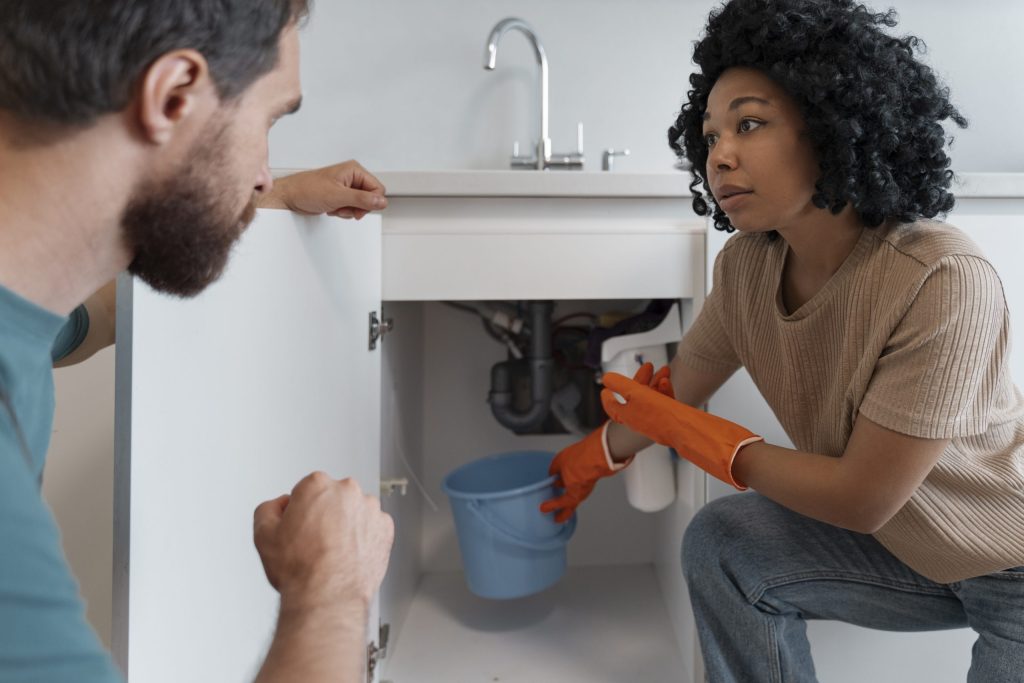
Areas with frequent water usage naturally face higher risk. Leaks can occur under sinks, behind appliances, around toilets, or near tubs and showers. Steam and condensation also contribute to moisture buildup.
2.2 Basements and Lower Levels
Basements are vulnerable due to their location below ground level. Soil moisture, groundwater pressure, and poor drainage systems can allow water to enter through cracks or gaps. Without proper waterproofing, lower levels remain at higher risk.
2.3 Roofs, Gutters, and Exterior Walls
The exterior of a home is constantly exposed to environmental elements. Loose shingles, clogged gutters, worn siding, or deteriorating seals may allow water to enter the home’s structure.
2.4 Laundry and Utility Areas
Washing machines, water heaters, and utility sinks contain high volume water connections. If their hoses or seals wear down, unnoticed leaks may occur.
3. Essential Tips for Preventing Water Damage
Preventing water damage involves consistent inspection, maintenance, and awareness. The following proactive measures create a strong defense system for your home.
3.1 Inspect Plumbing Fixtures Regularly
Check faucets, pipes, valves, and supply lines for moisture or corrosion. Tightening fittings, replacing damaged hoses, and fixing small drips immediately helps prevent larger issues.
3.2 Ensure Proper Drainage Around the Home
The ground surrounding your home should direct water away from the foundation. Proper grading and functional drainage reduce the risk of infiltration through basement walls or flooring.
3.3 Clean Gutters and Downspouts
Gutters clogged with leaves, dirt, or debris can cause water to overflow and seep into areas near the roof or foundation. Regular cleaning ensures proper water flow.
3.4 Ventilate High Moisture Rooms
Areas with steam or humidity must be properly ventilated. Use ventilation fans in bathrooms and kitchens to reduce moisture and prevent condensation.
3.5 Maintain Your Roof
Inspect the roof seasonally for lifted shingles, cracks, or worn areas. Timely repairs prevent water from entering through the top of the home.
If you require professional assistance, you can explore water damage restoration near me for services that specialize in maintaining and protecting key home areas.
4. Advanced Prevention Strategies
Beyond basic maintenance, advanced techniques provide additional levels of protection for your home.
4.1 Install Water Detection Alarms
Water detection devices alert homeowners when moisture is present. Placing them near appliances, sinks, or basements provides an early warning system.
4.2 Use Backflow Prevention Devices
Backflow prevention equipment helps stop wastewater from entering your home during sewer or drainage overload. This protective device is especially important for homes in areas with high rainfall.
4.3 Seal Windows and Doors
Window frames, door edges, and exterior openings must be properly sealed to prevent rainwater and humidity from entering. Regularly checking for gaps and applying sealant maintains protection.
4.4 Maintain Landscaping
While landscaping adds aesthetic value, it can also influence water flow around your property. Plants, roots, and soil conditions can either support drainage or block it. Maintaining appropriate landscaping ensures that water flows away, not toward, your home.
5. Long Term Water Damage Prevention Techniques
Long term protection is achieved through consistent routines and the use of preventive tools.
5.1 Waterproof Basement and Foundation Areas
Applying waterproof coatings, using vapor barriers, and maintaining sump pumps can significantly reduce moisture in lower levels of a home.
5.2 Monitor Indoor Humidity Levels
Humidity monitors help track moisture levels within the home. Keeping humidity balanced protects materials such as flooring, walls, and furnishings.
5.3 Upgrade Older Plumbing Systems
Older pipes and fixtures may wear down and become more prone to leaks. Replacing aging components improves the reliability of your plumbing system.
5.4 Schedule Professional Maintenance
Regular inspections from specialists can help identify issues that homeowners may overlook. Professionals have tools that detect moisture inside walls or beneath surfaces.
For specialty support in your region, explore water damage restoration near me brisbane for advanced restoration and prevention services.
6. What To Do If Water Damage Occurs Despite Prevention
Even with the best efforts, water damage can still occur. If it does, immediate action limits the severity of the problem.
6.1 Act Quickly to Stop the Moisture Source
Turn off water valves or isolate the affected area. Preventing further moisture flow is the first priority.
6.2 Remove Excess Water Immediately
Use appropriate tools to extract standing water before it penetrates deeper into materials. The quicker water is removed, the better the outcome.
6.3 Ventilate the Area
Allowing air to circulate through open windows or fans helps reduce moisture content. Drying as early as possible prevents long term issues.
6.4 Contact Professionals When Needed
Large scale water damage, deep saturation, or moisture behind surfaces requires expert evaluation.
For direct communication or service requests, visit the contact page.
Conclusion
Preventing water damage requires consistent maintenance, routine inspections, and awareness of potential risks. By protecting vulnerable areas, maintaining proper ventilation, monitoring humidity, and caring for plumbing and exterior structures, homeowners achieve a strong defense against moisture related problems. Acting early is the most effective strategy for long term home preservation. Combined with professional support when needed, these prevention practices ensure your home remains a safe, stable, and comfortable place for years to come.
FAQs
1. What is the easiest way to prevent water damage in high risk rooms?
The easiest method is regular inspection of plumbing fixtures combined with proper ventilation and cleaning routines.
2. How often should gutters be cleaned to prevent water buildup?
Gutters should be cleaned multiple times a year, especially during seasons with heavy leaf fall or frequent storms.
3. Do water detection alarms really help prevent major damage?
Yes. They provide early warnings that help homeowners take immediate action before water spreads.
4. What indoor humidity level is ideal for preventing moisture buildup?
Indoor humidity should typically remain in a balanced range that avoids both excessive dryness and unwanted moisture.
5. Should professional inspections be done even if no damage is visible?
Yes. Professionals can detect hidden moisture or risks that are not visible to the homeowner.