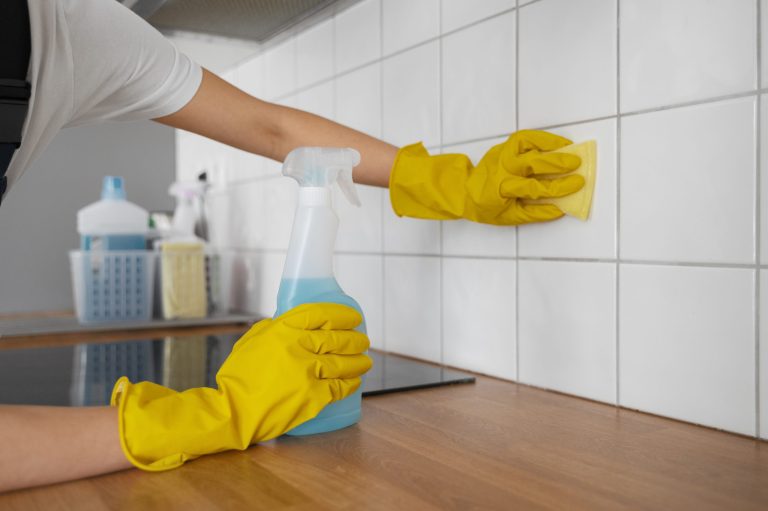

How Often Should You Professionally Clean Tiles and Grout?
Clean Tiles and Grout is essential for maintaining the appearance, hygiene, and durability of tiled surfaces in your home. Clean Tiles and Grout helps prevent staining, discolouration, and the gradual breakdown of grout lines. Clean Tiles and Grout also supports a healthier indoor environment by reducing trapped dirt and moisture. Clean Tiles and Grout should not be treated as a one time task but as part of a structured maintenance routine. Clean Tiles and Grout regularly ensures kitchens, bathrooms, and living areas remain visually appealing and structurally protected. Clean Tiles and Grout planning helps homeowners avoid expensive repairs and premature tile replacement.
Many homeowners begin their research by exploring professional cleaning providers such as Surface Master to understand how expert services support long term maintenance planning.
Why Regular Professional Cleaning Matters
Tiles are durable, but grout is porous and absorbs spills, dirt, and moisture over time. Standard mopping removes surface debris yet leaves embedded grime within grout lines. As buildup increases, grout darkens and becomes harder to restore with household products alone.
Professional cleaning targets deep seated contaminants using specialised equipment. This approach helps preserve grout integrity, minimise mould growth, and maintain the original appearance of tiled surfaces. Recurring service reduces the need for intensive restoration later.
Recommended Tile Cleaning Schedule
There is no universal schedule that suits every home. The ideal frequency depends on traffic levels, family size, and the location of tiled areas.
As a practical guideline:
- Kitchens and hallways may benefit from professional cleaning every 12 months
- Bathrooms with high moisture exposure may require service every 12 to 18 months
- Low traffic areas can often be cleaned every 18 to 24 months
Creating a structured tile cleaning schedule based on usage patterns helps maintain consistent results across the home.
Factors That Influence Cleaning Frequency
Several factors determine how often you should professionally Clean Tiles and Grout. Homes with children or pets often experience heavier wear. Entry points collect outdoor dirt and fine particles that gradually settle into grout lines.
Additional considerations include:
- Bathroom ventilation quality
- Type and texture of tile material
- Whether grout sealing has been applied
- Frequency of routine surface cleaning
Evaluating these factors allows homeowners to customise a maintenance timeline that suits their property.
Signs It Is Time for Professional Cleaning
Even with a planned tile cleaning schedule, visible changes may indicate earlier intervention is required. Darkened grout lines that remain after scrubbing usually signal deep staining. Persistent odours in damp areas may suggest trapped moisture within grout.
Warning signs often include:
- Uneven grout colour
- Recurring mould in shower areas
- Slippery residue on tiled floors
- Tiles appearing dull despite regular cleaning
Addressing these signs promptly prevents long term damage.
Understanding the Professional Cleaning Process
Routine household cleaning is important, but it does not replace professional deep cleaning. Specialist equipment uses controlled pressure and extraction to remove contaminants embedded beneath the surface.
Homeowners who want to better understand how this process works can review detailed information about the professional tile and grout cleaning process to see how deep extraction differs from manual scrubbing and why it delivers longer lasting results.
Combining weekly maintenance with scheduled professional service ensures tiles remain both hygienic and visually consistent.
The Importance of Grout Sealing
Grout sealing is a valuable step in long term tile maintenance. After deep cleaning, applying a protective sealant reduces the rate at which grout absorbs moisture and stains. This barrier makes routine cleaning easier and slows future discoloration.
Key benefits of grout sealing include:
- Reduced liquid absorption
- Lower risk of mould development
- Extended intervals between professional cleaning sessions
Including grout sealing in your maintenance plan helps maintain cleaner grout lines over time.
High Traffic Versus Low Traffic Areas
Different parts of the home require different cleaning intervals. Kitchens, hallways, and family living areas typically accumulate dirt more quickly due to frequent movement. These areas often require more consistent professional attention.
Guest bathrooms or seldom used rooms may retain their appearance longer. Reviewing each tiled area individually helps create a balanced and realistic tile cleaning schedule.
Seasonal Considerations
Weather changes can also affect how often you need to Clean Tiles and Grout. Wet seasons increase moisture exposure, particularly in entryways and bathrooms. Dry seasons may introduce more dust and fine debris that settles into grout lines.
Scheduling professional cleaning after periods of heavy seasonal use can help restore surfaces and maintain consistent cleanliness year round.
Long Term Financial Benefits
Delaying professional cleaning may seem cost effective in the short term, but neglected grout can deteriorate and crack. Regrouting or tile replacement is significantly more expensive than maintaining a recurring cleaning schedule.
Regular professional care:
- Preserves grout strength
- Maintains tile appearance
- Reduces the risk of structural damage beneath tiles
- Extends the lifespan of flooring and wall surfaces
A proactive approach supports both property value and long term savings.
Learning From Customer Experiences
Homeowners often review real client experiences before committing to recurring services. Reading verified customer feedback and service experiences on the official client review page can provide insight into long term results and service reliability. Understanding how others maintain their tiled surfaces may assist in planning your own schedule.
When to Seek Professional Advice
If grout continues to darken despite regular care, or if mould repeatedly returns, professional evaluation may be necessary. Experts can assess grout condition, recommend grout sealing, and suggest an appropriate cleaning interval based on your home’s specific needs.
For homeowners ready to schedule service or discuss a customised maintenance plan, enquiries can be made by calling 0423459413 to speak directly with a service representative.
Conclusion
Clean Tiles and Grout should be viewed as part of an ongoing maintenance strategy rather than an occasional task. Establishing a realistic tile cleaning schedule, incorporating grout sealing, and responding to early warning signs all contribute to long term surface protection. Professional cleaning complements routine household care by removing embedded contaminants and preserving grout integrity.
Homeowners who wish to organise recurring maintenance or request further information can contact the team directly through the official service contact number to plan the next professional cleaning appointment.
Frequently Asked Questions
1. How often should I professionally clean tiles and grout
Most homes benefit from professional cleaning every 12 to 18 months, depending on usage and moisture exposure.
2. Does grout sealing reduce cleaning frequency
Grout sealing slows stain absorption and can extend the time between deep cleanings, but routine care is still important.
3. Can I rely only on regular mopping
Routine mopping removes surface dirt but does not extract contaminants embedded within grout lines.
4. Is professional cleaning safe for natural stone
Yes, when performed correctly. Cleaning methods are adjusted according to tile type and condition.
5. What is the best way to maintain grout between services
Use gentle cleaning products, wipe spills quickly, maintain ventilation in damp areas, and follow a consistent tile cleaning schedule.