
Emergency Water Damage Brisbane: Steps to Take Immediately
Water Damage Restoration becomes critical the moment water enters a home or business unexpectedly. In Brisbane, storms, burst pipes, overflowing drains, and appliance failures make Water Damage Restoration a time sensitive concern. During the first few hours, Water Damage Restoration decisions can determine whether damage remains manageable or spreads further. Understanding Water Damage Restoration helps Brisbane residents act quickly and reduce long term structural and health risks. Water Damage Restoration is not only about drying surfaces but also about preventing mould, material breakdown, and hidden moisture problems. Knowing how Water Damage Restoration works allows residents to respond calmly and effectively during an emergency.
When water damage occurs, the first 24 hours are the most important. Immediate action helps limit water absorption, structural weakening, and contamination. Reliable information and practical steps give Brisbane residents clarity during stressful situations. Resources related to property care and Water Damage Restoration services can help residents understand what actions matter most in the early stages.
Understanding Emergency Water Damage in Brisbane
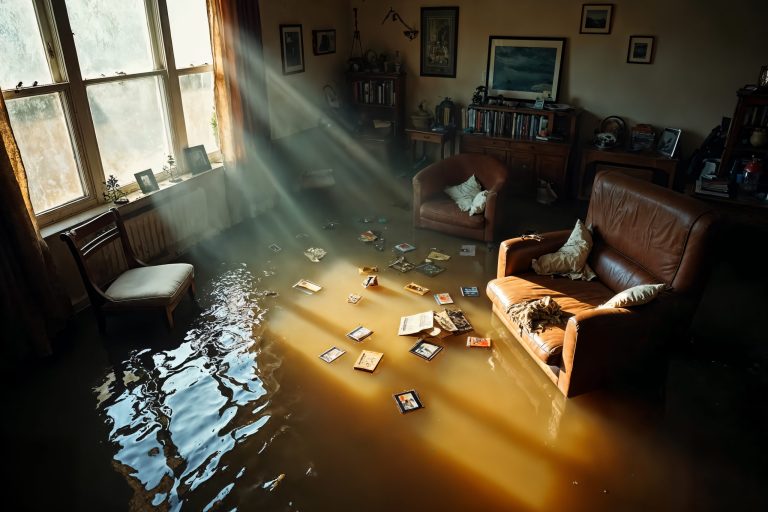
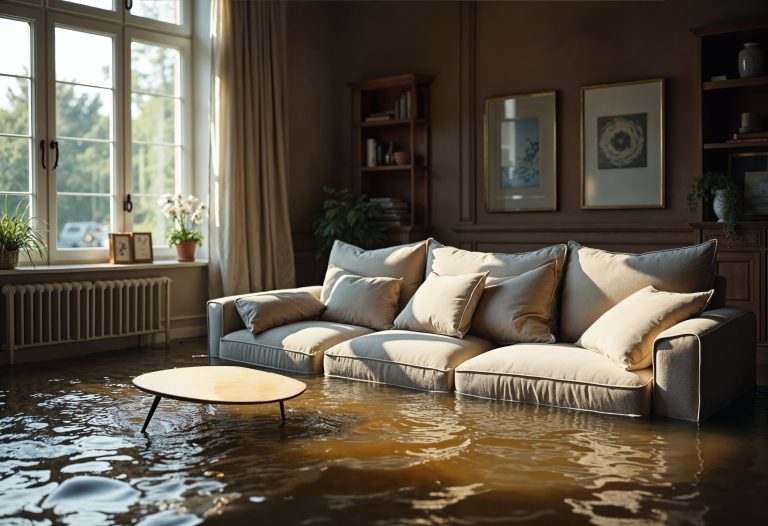
Emergency water damage refers to sudden and uncontrolled water intrusion that threatens a property’s safety or habitability. Brisbane’s climate increases the risk of flash flooding, roof leaks, and plumbing failures, especially during heavy rainfall.
Water damage can affect:
- Flooring materials such as timber, carpet, and tiles
- Walls, insulation, and ceilings
- Electrical systems and appliances
- Furniture and personal belongings
Water Damage Restoration is necessary because water spreads quickly and penetrates materials that may appear dry on the surface. Early awareness reduces the likelihood of secondary damage such as mould growth or structural weakening.
Step One: Ensure Safety First
Before addressing water damage, personal safety must come first. Standing water can hide electrical hazards, contamination, or unstable surfaces.
Immediate safety steps include:
- Turning off electricity if water is near power outlets
- Avoiding contact with floodwater if contamination is suspected
- Wearing protective footwear and gloves if safe to do so
Once the area is safe, Water Damage Restoration efforts can begin. Taking time to assess safety reduces the risk of injury during cleanup.
Step Two: Identify and Stop the Water Source
Stopping the flow of water is essential to prevent further damage. This step should be done as soon as it is safe.
Common actions include:
- Shutting off the main water supply for burst pipes
- Temporarily covering roof leaks
- Turning off malfunctioning appliances
Water Damage Restoration cannot be effective if water continues to enter the property. Identifying the source helps limit the affected area and stabilizes the situation.
Step Three: Remove Standing Water Quickly
Standing water accelerates damage to building materials and increases humidity levels. Early removal reduces absorption into walls and flooring.
Emergency water removal may involve:
- Using buckets or mops for small amounts
- Wet vacuums if available
- Contacting emergency water removal services when water levels are high
Emergency water removal services are often necessary when flooding is extensive or when water has spread across multiple rooms. Removing water promptly supports the Water Damage Restoration process and limits secondary damage.
Information about professional approaches to Water Damage Restoration can be found through property care resources such as water damage restoration services.
Step Four: Begin Drying and Ventilation
Once standing water is removed, drying becomes the priority. Moisture left behind can lead to mould growth within 24 to 48 hours.
Basic drying steps include:
- Opening windows and doors when weather allows
- Using fans to circulate air
- Removing wet rugs, cushions, and removable items
Water Damage Restoration relies heavily on thorough drying. Hidden moisture behind walls or under floors may require professional assessment to ensure complete drying.
Step Five: Protect Belongings and Surfaces
During the first 24 hours, protecting items from further exposure helps reduce losses.
Helpful actions include:
- Elevating furniture legs using blocks or foil
- Removing items from wet areas
- Separating wet and dry belongings
Water Damage Restoration includes preventing damage from spreading. Small protective steps can preserve furniture, documents, and flooring while larger issues are addressed.
Step Six: Monitor for Signs of Ongoing Moisture
Even after visible water is removed, moisture can remain trapped in materials. Monitoring conditions is essential during the first day.
Warning signs include:
- Persistent damp smells
- Warping or bubbling surfaces
- Condensation on walls or windows
If these signs appear, professional Water Damage Restoration assessment may be needed to prevent long term issues.
Step Seven: Know When to Seek Professional Help
Not all water damage can be handled with basic tools. Some situations require professional intervention to prevent health and structural risks.
Professional help may be needed when:
- Water has affected electrical systems
- Sewage or contaminated water is involved
- Damage extends into walls, ceilings, or subfloors
Brisbane residents can find general property care information and Water Damage Restoration guidance through resources such as property maintenance and restoration information. For questions or next steps, a direct contact option can provide further guidance.
Why the First 24 Hours Matter
The first 24 hours after water damage are critical because materials absorb moisture quickly. Delays increase the risk of mould growth, odour development, and structural deterioration.
Water Damage Restoration during this period focuses on:
- Stabilizing the environment
- Reducing moisture levels
- Preventing secondary damage
Prompt and informed action gives Brisbane residents the best chance to limit long term impact.
Frequently Asked Questions
1. What is Water Damage Restoration?
Water Damage Restoration is the process of removing water, drying affected areas, and preventing further damage to a property after water intrusion.
2. How quickly should water damage be addressed?
Action should begin immediately. The first 24 hours are critical for reducing moisture absorption and mould risk.
3. Are emergency water removal services always required?
Emergency water removal services are recommended when water levels are high, spread across multiple rooms, or involve contaminated water.
4. Can water damage lead to mould?
Yes. Mould can begin developing within 24 to 48 hours if moisture is not properly removed.
5. What should I avoid doing after water damage?
Avoid using household vacuums on standing water, entering unsafe areas, or ignoring hidden moisture signs.