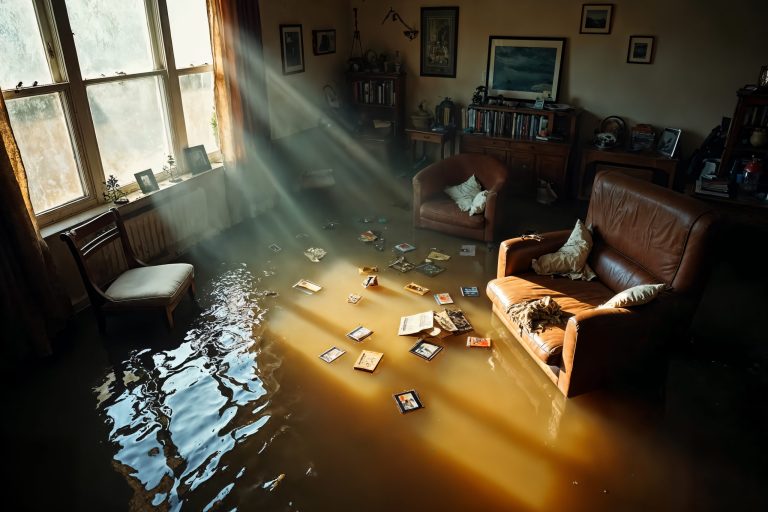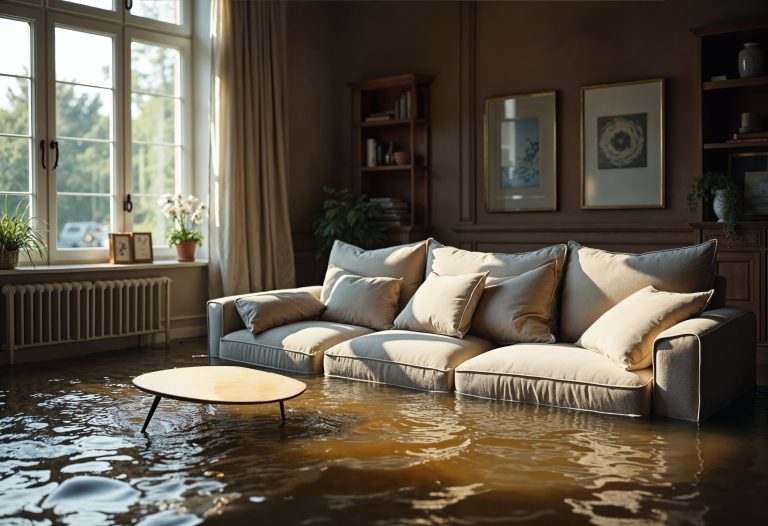

Water damage can strike your Brisbane home unexpectedly, causing costly repairs and stress. With Brisbane’s climate and building style, immediate action is crucial to prevent serious issues like mold, structural weakness, and loss of valuables. This guide shares essential emergency steps for handling water damage and highlights professional solutions.
1. Recognize the Signs of Water Damage Early
Early detection means less damage and faster restoration. Visible stains on walls or ceilings, peeling paint, musty odors, and damp carpets or furniture are common signs of water damage. Do regular inspections, especially after storms or plumbing issues, to spot trouble early.
2. Take Immediate Safety Precautions
Your safety comes first:
- Turn off electricity to affected areas.
- Wear gloves and waterproof boots before entering water-damaged spaces.
- Avoid contaminated water, as it may harbor bacteria.
3. Stop the Source of Water
Quickly identify and halt the water source:
- Shut off the main water valve if the leak is indoors.
- Roof or windows: temporarily cover openings with plastic sheeting.
- If flooding is from outside, block entry points where possible and call emergency services if danger increases.
4. Contact Professional Help for Restoration
Swift, expert help ensures the best outcome. For specialized cleaning, visit Surface Master—Brisbane’s tile and grout cleaning company for rapid response and reliable service.
5. Remove Standing Water and Dry the Area
- Use mops, towels, or a wet vacuum to remove water.
- Open windows, run fans and dehumidifiers to speed drying.
- Remove rugs, furniture, and electronics from wet areas to prevent further damage.
6. Protect and Restore Tile and Grout
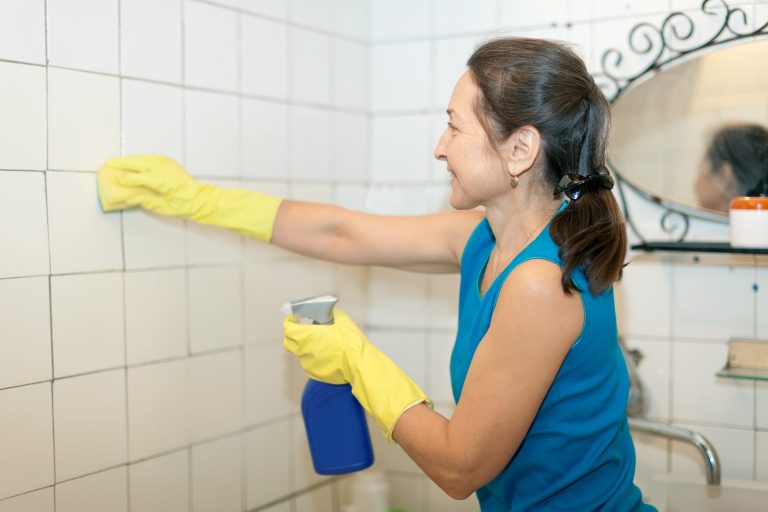
Tiles and grout are especially vulnerable to water damage but can be restored. Expert tile and grout cleaning can prevent discoloration and mold growth. For professional cleaning, choose tile and grout cleaning providers trusted across Brisbane.
7. Prevent Mold and Bacteria Growth
Act fast: Mold can develop in 24–48 hours. Use disinfectants and anti-mold treatments on affected surfaces after drying. Monitor for mold over the next few days and call experts if you spot any developments.
8. Start Water Damage Restoration in Your Area
For deep restoration—drying, cleaning, and odor removal—opt for specialists. Residents searching for water damage restoration near me can rely on local restoration experts for prompt, thorough repairs to structure and finishes.
9. Update Insurance and Prevention Practices
- Take photos and document all damage.
- Contact your insurer to report water damage.
- Review home insurance policies and add flood or water damage coverage if needed.
10. Maintain Your Property to Prevent Future Water Damage
- Clean gutters and downspouts.
- Check plumbing regularly.
- Inspect roofs and basement walls for signs of leaks.
- Schedule professional inspections and cleaning at least annually.
Frequently Asked Questions
- How soon should I address water damage in my Brisbane home?
Immediate action—within hours—prevents further damage and costly repairs. - Can I clean tile and grout myself after water damage?
Surface cleaning helps, but professional tile and grout cleaning provides deep sanitation and mold prevention. - Who should I call for water damage restoration near me in Brisbane?
Contact experts specializing in water damage restoration near me for fast, reliable recovery. - What are common water damage risks in Brisbane properties?
Risks include mold growth, weakened structures, and ruined carpets, tiles, and furniture. - How do I request professional help?
Use the contact page to connect with trusted restoration teams.
Conclusion
Brisbane homeowners face unique water damage challenges. Understanding emergency steps, acting fast, and connecting with professional tile and grout cleaning and water damage restoration services are crucial to protect your property. Don’t wait—secure your home’s health and value by following these steps and consulting experts as needed.