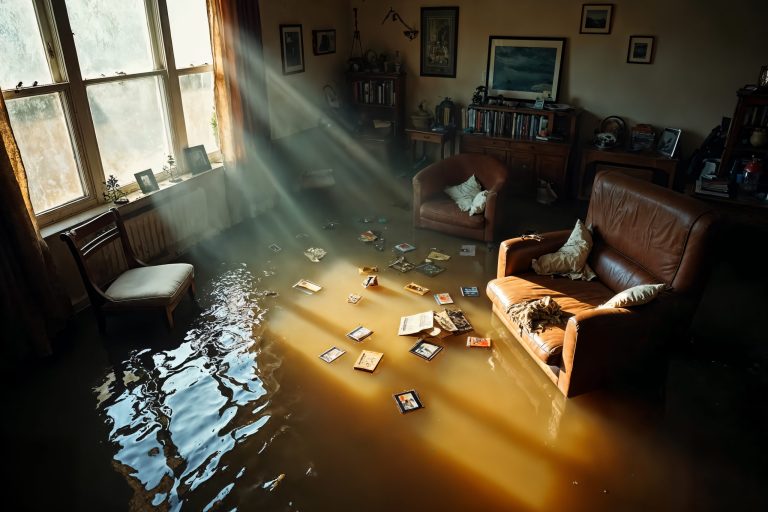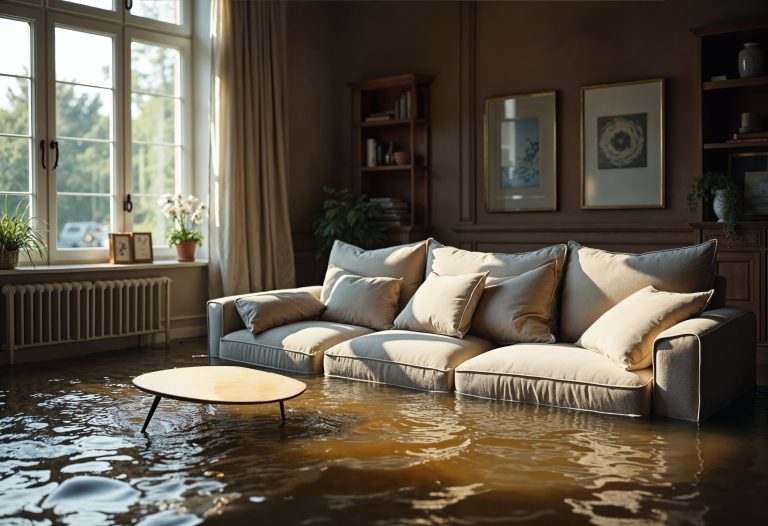
Upholstery Cleaning becomes an immediate concern for flood affected homeowners once water enters living spaces. Upholstery Cleaning decisions are often made under pressure, yet careful assessment is essential. Upholstery Cleaning after water damage depends on several factors including water type, exposure time, and fabric construction.
Upholstery Cleaning is not always a guaranteed solution, but in many cases, it can help restore furniture safely. Upholstery Cleaning performed at the right time may prevent permanent staining, odour, and microbial growth. Understanding Upholstery Cleaning options allows homeowners to make informed choices instead of discarding furniture prematurely. Information about upholstery recovery methods can be explored through upholstery cleaning services.
After flooding or leaks, soft furnishings absorb water quickly. Couches, chairs, and mattresses may appear salvageable on the surface while holding moisture deep inside. This guide explains when Upholstery Cleaning is possible after water damage and when replacement may be the safer option.
How Water Damage Affects Upholstered Furniture
Upholstered furniture contains multiple layers including fabric, padding, and internal framing. Water penetrates these layers at different speeds, which affects recovery potential.
Common impacts of water exposure include:
- Fabric discoloration or dye bleeding
- Padding saturation leading to odour retention
- Structural weakening of internal frames
- Increased risk of mould and bacteria
Upholstery Cleaning outcomes depend heavily on how quickly water is removed and drying begins. Prolonged exposure significantly reduces the likelihood of successful restoration.
Identifying the Type of Water Exposure
The source of water plays a major role in determining whether Upholstery Cleaning is appropriate.
Water exposure is typically classified as:
- Clean water from broken pipes or rain intrusion
- Grey water from appliances or internal drains
- Contaminated water from sewage or floodwaters
Upholstery Cleaning is more viable when furniture is exposed to clean water for a short duration. In cases involving contaminated water, health risks increase and restoration may not be recommended.
Flood affected homeowners should prioritize safety and avoid contact with furniture exposed to potentially harmful water until assessed.
Time as a Critical Factor in Upholstery Recovery
The first 24 to 48 hours after water damage are crucial. Moisture left inside upholstery creates an environment for mould growth and material breakdown.
Key time related considerations include:
- How long furniture remained submerged or wet
- Whether emergency water removal services were used promptly
- How quickly drying and ventilation began
Upholstery Cleaning performed early improves the chances of restoring furniture. Delayed action often leads to irreversible damage even if surfaces appear dry.
Signs Upholstery Cleaning May Be Possible
Not all water damaged furniture requires disposal. Certain conditions indicate that Upholstery Cleaning may still be effective.
Positive indicators include:
- Short exposure time to clean water
- No persistent musty odours
- Minimal fabric distortion or staining
- Prompt drying after water removal
Professional Upholstery Cleaning processes target deep moisture and residues that household methods cannot reach. Broader information about surface care and recovery can be found through property surface maintenance resources.
Situations Where Upholstery Restoration Is Not Advisable
In some cases, cleaning and restoration pose health or safety risks. Upholstery Cleaning is generally not recommended when contamination or prolonged saturation has occurred.
High risk situations include:
- Exposure to sewage or floodwater
- Strong persistent odours after drying
- Visible mould growth inside cushions or seams
- Structural collapse or frame warping
In these cases, removal and replacement may be the safest option for household occupants.
The Role of Emergency Water Removal Services
Emergency water removal services play a vital role in upholstery recovery. Rapid water extraction reduces saturation levels and limits damage to furniture materials.
These services help by:
- Removing standing water quickly
- Lowering indoor humidity
- Supporting early drying efforts
Upholstery Cleaning success often depends on how effectively water removal was handled during the initial response.
Drying and Ventilation Before Cleaning
Before Upholstery Cleaning begins, furniture must be properly dried. Cleaning damp upholstery without addressing internal moisture can trap water and worsen conditions.
Drying steps may include:
- Positioning furniture in ventilated areas
- Using air circulation devices
- Separating removable cushions
Adequate drying reduces microbial risk and improves cleaning effectiveness.
Health Considerations for Flood Affected Homes
Water damaged upholstery can affect indoor air quality. Microorganisms thrive in damp materials and may cause respiratory irritation or allergic reactions.
Homeowners should consider:
- The presence of vulnerable occupants
- Lingering odours that indicate microbial activity
- Symptoms that worsen near affected furniture
Upholstery Cleaning decisions should prioritize health over cost or convenience.
Assessing Furniture Value and Practicality
Beyond safety, homeowners often consider whether restoration is practical. Upholstery Cleaning may be more suitable for certain furniture types than others.
Factors influencing decisions include:
- Furniture age and condition before damage
- Replacement cost versus restoration effort
- Sentimental or functional value
Reading shared experiences and outcomes can help guide expectations during recovery. Examples can be found through customer reviews and feedback.
Frequently Asked Questions
1. Can Upholstery Cleaning remove water damage completely?
Upholstery Cleaning can address moisture, odours, and surface contamination in some cases, but results depend on water type and exposure time.
2. How soon should upholstery be assessed after flooding?
Assessment should occur as soon as possible, ideally within the first 24 hours after water exposure.
3. Is mould always visible in water damaged furniture?
No. Mould may develop inside padding or frames without visible surface growth.
4. Can emergency water removal services improve upholstery recovery?
Yes. Quick water removal reduces saturation and improves the chances of successful Upholstery Cleaning.
5. Should furniture exposed to sewage be cleaned?
Furniture exposed to contaminated water is generally not recommended for cleaning due to health risks.