What To Do Immediately After Water Damage in Your Home
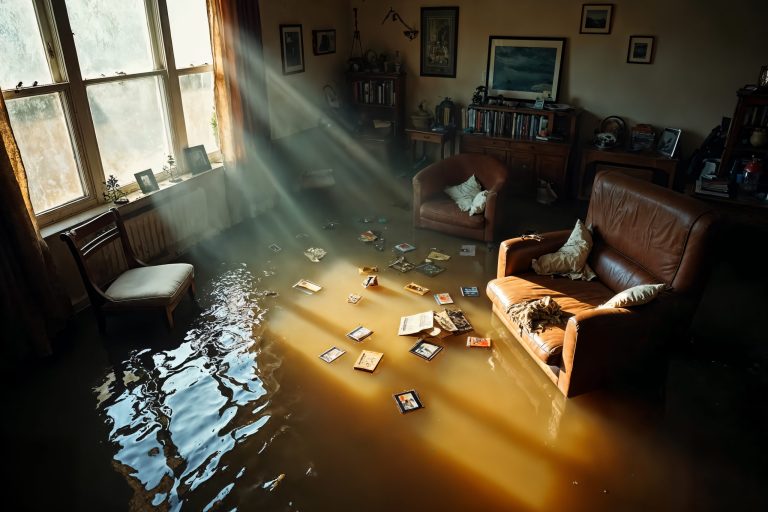
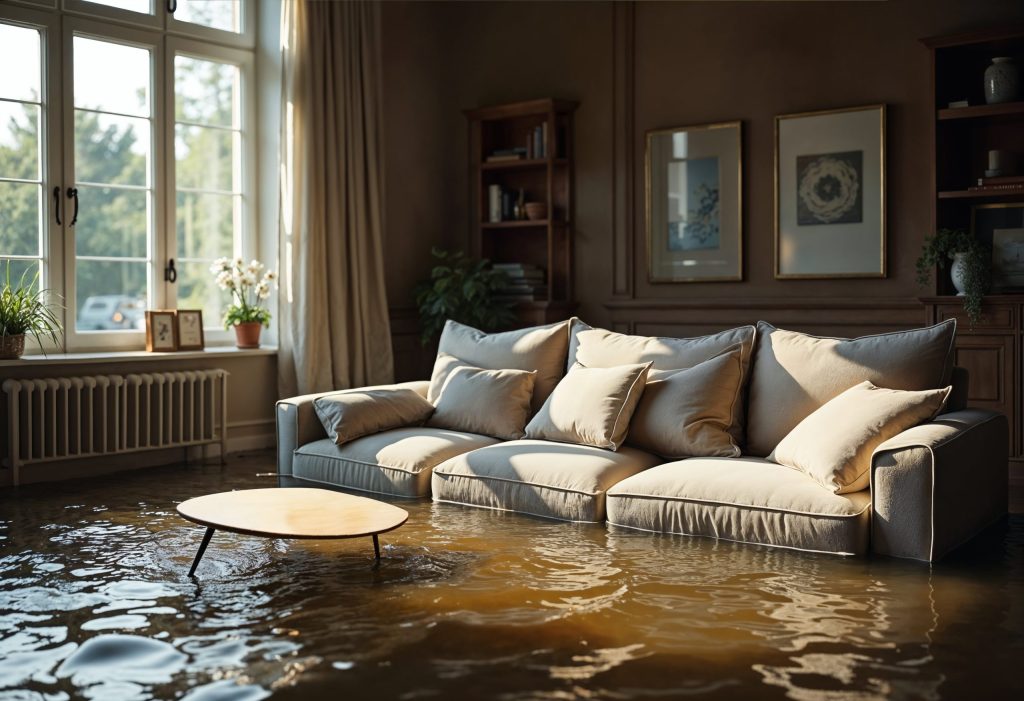
Water Damage in Your Home can happen without warning and quickly turn into a serious emergency. Water Damage in Your Home may result from burst pipes, heavy rainfall, leaking roofs, or appliance failures. Water Damage in Your Home can weaken structural components, damage flooring, and affect electrical systems within minutes. Water Damage in Your Home also creates the perfect environment for mould growth if not addressed quickly. Water Damage in Your Home requires immediate action to reduce long term costs and prevent further complications. Water Damage in Your Home often feels overwhelming, but taking the right steps early can protect both property and health.
Homeowners facing urgent situations often look to experienced restoration providers such as Surface Master to understand how rapid response services handle emergencies efficiently and safely.
Step 1 Ensure Personal Safety First
Before attempting any cleanup, prioritise safety. Standing water can pose electrical hazards, especially if outlets, appliances, or wiring have been exposed. If water levels are significant, turn off electricity at the main switch only if it is safe to do so.
Safety checks should include:
- Avoiding contact with electrical equipment in wet areas
- Wearing protective gloves and boots
- Keeping children and pets away from affected spaces
If there is any doubt about safety, wait for professionals trained in emergency water damage repair to assess the situation.
Step 2 Stop the Source of Water
Identifying and stopping the source of water is critical. In the case of a burst pipe, shut off the main water supply immediately. For roof leaks, temporary coverings may reduce further water entry until permanent repairs can be arranged.
Common water sources include:
- Broken plumbing lines
- Overflowing sinks or bathtubs
- Faulty washing machines or dishwashers
- Storm related flooding
Stopping the source prevents additional damage and gives restoration teams a clearer starting point.
Step 3 Document the Damage
Before removing items or beginning cleanup, document visible damage for insurance purposes. Take clear photographs and videos of affected areas, including floors, walls, furniture, and appliances.
Accurate documentation helps:
- Support insurance claims
- Provide a record of pre restoration conditions
- Assist restoration teams in assessing severity
Keeping a written list of damaged belongings may also streamline communication with insurers.
Step 4 Begin Water Removal
Standing water should be removed as quickly as possible. The longer water remains, the greater the risk of structural damage and mould development. While small spills can be managed with towels or wet vacuums, larger incidents require professional water extraction services.
Professional equipment removes water from carpets, subfloors, and wall cavities more effectively than household tools. Homeowners who want to understand how specialists manage large scale water incidents can explore detailed information about the full water damage restoration process and the steps involved in stabilising a property.
Step 5 Protect Belongings
Move furniture, rugs, and personal items away from wet areas if it is safe to do so. Elevating furniture legs with blocks or foil can reduce additional water absorption. Remove wet textiles such as curtains and cushions to begin drying separately.
Important actions include:
- Separating wet and dry items
- Opening drawers and cabinets to promote airflow
- Placing protective material under furniture legs to prevent staining
Quick action may help salvage items that would otherwise be permanently damaged.
Step 6 Promote Air Circulation
Drying begins immediately after water removal. Increasing air circulation helps reduce moisture levels and limit mould growth. Open windows if weather conditions allow and use fans to improve airflow where possible.
However, household fans alone are often insufficient for severe Water Damage in Your Home. Professional drying equipment, including air movers and dehumidifiers, is designed to remove moisture trapped deep within structural materials.
Step 7 Inspect for Hidden Moisture
Water can travel behind walls, under flooring, and into insulation. Even when surfaces appear dry, moisture may remain concealed. Hidden moisture can lead to structural weakening and mould growth days or weeks later.
Professional assessments often involve:
- Moisture meters to detect dampness in building materials
- Thermal imaging to identify concealed water pockets
- Targeted drying plans based on findings
Thorough inspection reduces the risk of recurring problems and incomplete restoration.
Step 8 Address Contaminated Water
Not all water damage is the same. Clean water from a broken supply line differs significantly from contaminated flood water. Flood damage cleanup requires additional precautions due to bacteria, debris, and potential health risks.
In cases of contaminated water:
- Avoid direct contact without protective gear
- Discard porous materials that cannot be sanitised
- Ensure proper disinfection of affected surfaces
Professional teams follow strict safety standards to manage contamination effectively and reduce health risks.
Step 9 Prevent Mould Growth
Mould can begin developing within 24 to 48 hours after water exposure. Quick drying and proper dehumidification are essential to prevent microbial growth that can spread through walls and ceilings.
Warning signs of mould include:
- Musty odours
- Visible discolouration on walls or ceilings
- Increased allergy symptoms indoors
If mould is suspected, specialised remediation may be necessary to ensure complete and safe removal.
Step 10 Coordinate With Insurance Providers
Contact your insurance provider as soon as possible to report Water Damage in Your Home. Provide documentation and follow their instructions regarding inspections and repair approvals.
Clear communication between homeowners, insurers, and restoration professionals helps streamline the claims process and reduce delays in repairs.
Why Rapid Response Matters
Time is one of the most critical factors in water damage situations. Immediate emergency water damage repair reduces structural weakening, flooring warping, and long term mould risk. Delayed action often increases repair costs and extends recovery time.
Rapid response restoration teams typically provide:
- Immediate assessment
- Water extraction and structural drying
- Cleaning and sanitisation
- Ongoing moisture monitoring
This structured approach helps stabilise the property quickly and minimise disruption.
Long Term Restoration and Repairs
After drying is complete, repairs may include replacing damaged drywall, insulation, flooring, or cabinetry. Structural components must be inspected to ensure integrity has not been compromised. Restoration is not only about appearance but also about ensuring the home is safe and fully dry before rebuilding begins.
Homeowners often review real customer experiences before choosing a provider. Reading verified client feedback and service experiences can offer reassurance about response times and professionalism.
Conclusion
Water Damage in Your Home requires fast, informed action to minimise structural harm and health risks. By prioritising safety, stopping the water source, documenting damage, and initiating water extraction services promptly, homeowners can reduce long term consequences. Professional emergency water damage repair and flood damage cleanup provide specialised equipment and expertise that go beyond basic household drying methods.
For immediate assistance or to speak with a restoration specialist, homeowners can request help directly through the official restoration service contact page to arrange a rapid response assessment.
Frequently Asked Questions
1. How quickly should I respond to water damage
Immediate action is recommended. The first 24 hours are critical in preventing mould and structural damage.
2. Can I handle water extraction myself
Small spills may be manageable, but significant Water Damage in Your Home usually requires professional water extraction services.
3. How long does drying take
Drying time varies depending on the extent of damage, but it typically takes several days with professional equipment.
4. Does homeowners insurance cover water damage
Coverage depends on the cause of damage and individual policy terms. Contact your insurer for clarification.
5. What is the difference between water damage repair and flood damage cleanup
Emergency water damage repair often addresses internal leaks, while flood damage cleanup involves contaminated water and additional sanitisation procedures.