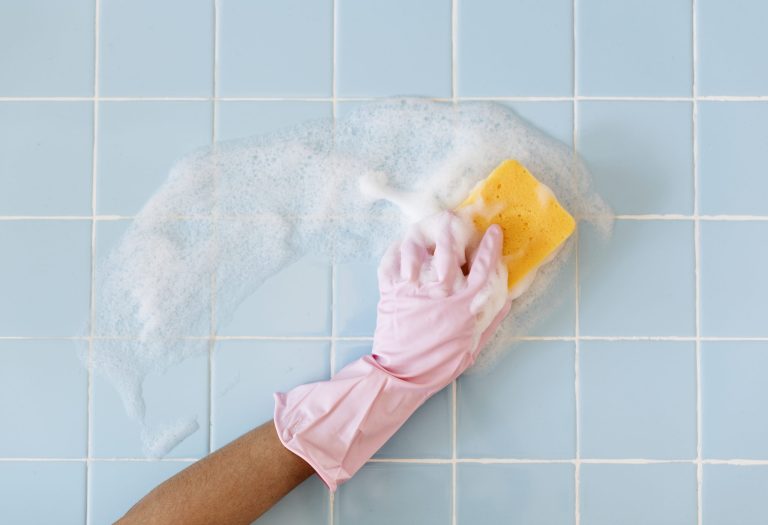
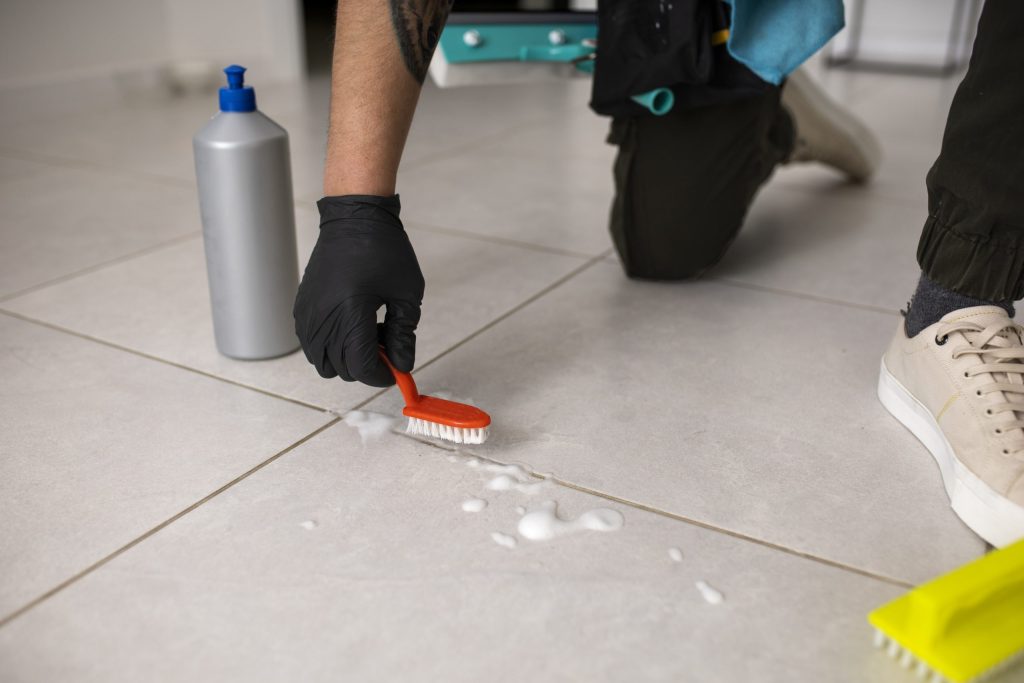
Tile and grout cleaning is an essential maintenance process for residential properties with tiled flooring. It removes embedded dirt, residue, and contaminants that routine cleaning cannot reach, particularly buildup that settles deep within grout lines over time. This process improves hygiene by reducing bacteria and allergens trapped in porous surfaces, making it especially important in kitchens, bathrooms, and entryways where moisture and foot traffic are common. Proper cleaning also supports floor longevity by preventing surface wear caused by abrasive debris and helps restore the original appearance of tiles without damaging finishes. When handled systematically using controlled methods rather than harsh household chemicals, tile and grout cleaning plays an important role in maintaining safe and healthy indoor environments.
Homeowners seeking information about floor hygiene and surface care often begin by reviewing broader property maintenance topics such as indoor surface and pest management considerations to understand how cleanliness affects overall living conditions.
Why Tiles and Grout Accumulate Dirt
Tiles are generally durable and resistant to staining, but grout is porous. This porosity allows dirt, moisture, grease, and cleaning residues to penetrate below the surface.
Over time, regular mopping spreads contaminants rather than removing them completely. Fine particles settle into grout lines where they harden and discolor the surface.
Understanding how buildup forms explains why deeper cleaning methods are necessary.
Limitations of Regular Household Cleaning
Standard cleaning methods focus on surface appearance. Mops and sprays often fail to extract dirt trapped within grout.
Many household cleaners contain residues that attract more dirt once dry. Scrubbing with stiff brushes can also damage grout, increasing porosity.
These limitations make it difficult to achieve long term cleanliness without specialized methods.
Initial Inspection and Floor Assessment
Professional tile and grout cleaning begins with a detailed inspection. Specialists assess tile type, grout condition, and level of soiling.
This step helps identify sensitive materials such as natural stone or older grout. It also determines which cleaning solutions and equipment are appropriate.
Assessment ensures the cleaning process is tailored to the floor rather than applied uniformly.
Identifying Tile and Grout Types
Different tiles respond differently to moisture and chemicals. Ceramic, porcelain, and stone surfaces each require specific care.
Grout may be cement based or epoxy based, each with unique cleaning requirements. Incorrect treatment can cause discoloration or erosion.
Accurate identification protects surfaces during cleaning.
Pre Treatment and Soil Loosening
Before deep cleaning, a pre treatment solution is applied to loosen embedded dirt. These solutions are selected based on floor type and contamination level.
Pre treatment allows soil to break down without aggressive scrubbing. This step reduces stress on grout lines.
Controlled application ensures even coverage and effective penetration.
Agitation Without Surface Damage
After pre treatment, gentle agitation may be used to lift dirt from grout pores. Soft brushes or rotary tools are often applied at low pressure.
This process focuses on releasing buildup rather than grinding it away. Excessive force can damage grout and tile edges.
Proper agitation balances effectiveness and surface protection.
High Temperature Rinse and Extraction
One of the most important stages is rinsing and extraction. Heated water helps dissolve residues while specialized equipment extracts contaminants.
This step removes loosened dirt rather than redistributing it. Simultaneous extraction prevents moisture from soaking back into grout.
Controlled pressure and temperature ensure safe, thorough cleaning.
Moisture Management During Cleaning
Excess moisture can weaken grout and encourage microbial growth. Professionals manage water use carefully during the process.
High powered extraction tools minimize drying time. Floors are left damp rather than saturated.
Effective moisture control protects grout integrity.
Addressing Stubborn Stains
Some stains require targeted treatment. Mineral deposits, grease, or organic staining may need specialized solutions.
Spot treatment focuses only on affected areas. This approach avoids unnecessary exposure to stronger agents.
Selective treatment improves results while preserving surrounding surfaces.
Importance of Neutralizing Cleaning Residues
After deep cleaning, residues from cleaning agents must be neutralized. Leftover chemicals can attract dirt or affect grout color.
Neutral rinsing stabilizes the surface. This step ensures floors remain cleaner for longer.
Residue management is a key part of professional grout cleaning services.
Drying and Post Cleaning Inspection
Once cleaning is complete, floors are allowed to dry under controlled conditions. Fans or airflow may be used to speed evaporation.
A post cleaning inspection checks for uniform results and identifies any remaining concerns. Adjustments may be made if necessary.
Inspection ensures the process meets safety and cleanliness standards.
Grout Sealing and Its Role
In some cases, grout sealing is recommended after cleaning. Sealing reduces grout porosity and slows future staining.
Sealants form a protective barrier without altering appearance. Application depends on grout condition and homeowner preference.
Sealing supports long term cleanliness but is applied only after proper drying.
Health and Hygiene Considerations
Dirty grout can harbor bacteria, mold, and allergens. Cleaning reduces these contaminants and improves indoor hygiene.
Bathrooms and kitchens benefit most due to moisture exposure. Clean surfaces support healthier living spaces.
Hygiene is a significant benefit beyond appearance.
Safety Measures During the Cleaning Process
Professional cleaning prioritizes safety for occupants and surfaces. Non abrasive methods reduce slip risks and surface damage.
Ventilation may be used during cleaning to manage humidity. Equipment is operated to minimize noise and disruption.
Safety focused procedures protect both property and residents.
How Tile and Grout Cleaning Fits Into Property Maintenance
Floor cleaning is part of a broader maintenance strategy. Clean surfaces help identify leaks, cracks, or wear early.
Regular maintenance reduces the need for repairs. It also supports property value by preserving finishes.
Understanding this role encourages proactive care.
When Professional Cleaning Is Most Beneficial
Professional services are most useful when grout discoloration persists or surfaces feel sticky despite regular cleaning.
High traffic areas, rental properties, and older floors often benefit from deeper treatment. Professional methods address buildup more effectively than routine cleaning.
Knowing when to seek professional help prevents long term damage.
Relationship Between Clean Floors and Pest Prevention
Food residue and moisture trapped in grout can attract insects. Clean floors reduce food sources and hiding places.
Floor hygiene supports broader property care efforts. This connection highlights the importance of comprehensive cleaning.
Integrated maintenance reduces multiple household issues.
Learning More About Property Care
Understanding surface maintenance helps homeowners make informed decisions. Tile and grout cleaning is one element of overall home care.
Additional information about maintaining residential surfaces and environments can be found through property care and cleaning resources which offer broader context on maintaining healthy interiors.
Conclusion: A Structured Approach to Safe Floor Restoration
Tile and Grout Cleaning is a careful, step by step process that restores floors without causing damage. From inspection and pre treatment to extraction and drying, each stage plays a role in achieving safe, lasting results.
Understanding how specialists clean and protect tiled surfaces helps homeowners maintain floors more effectively. For further questions about floor care or related services, homeowners may consider contacting property care professionals to learn more about appropriate maintenance options.
Frequently Asked Questions
1. Why does grout darken over time?
Grout absorbs dirt, moisture, and residues, which gradually discolor the surface.
2. Can tile and grout be cleaned without harsh chemicals?
Yes. Controlled heat, agitation, and extraction reduce the need for strong chemicals.
3. How often should tile and grout be professionally cleaned?
Frequency depends on traffic and usage, but many homes benefit every one to two years.
4. Is professional cleaning safe for all tile types?
Yes, when tile and grout types are properly assessed before cleaning.
5. Does cleaning remove all stains?
Most buildup can be removed, though some deep stains may be permanent depending on material condition.