
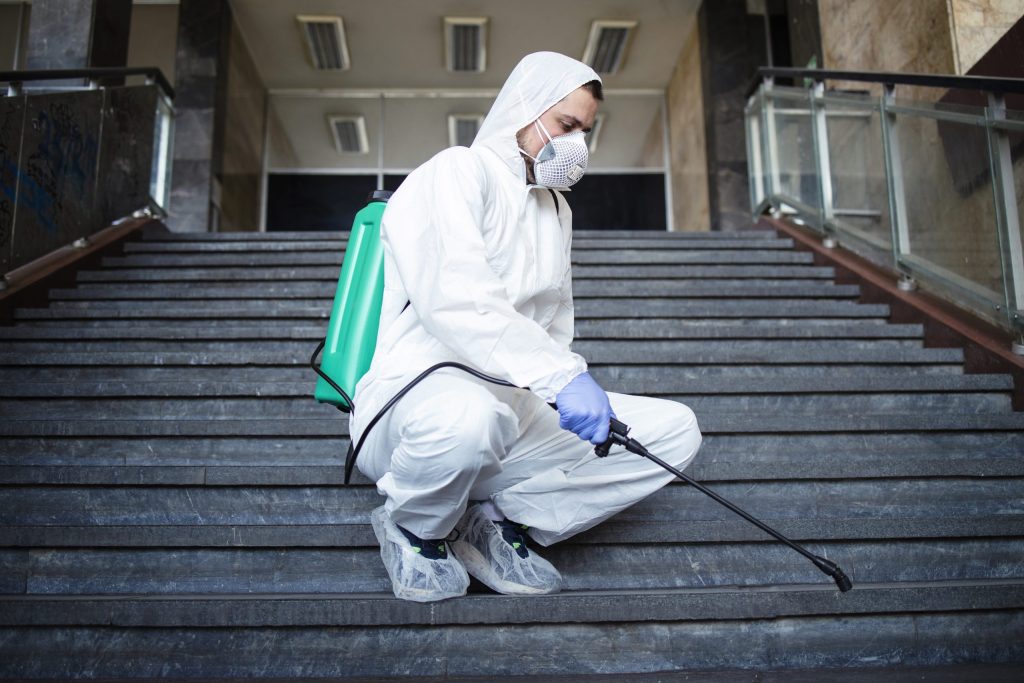
Pest problems often begin silently, developing in damp, hidden, or poorly ventilated areas of a home. They are closely linked to moisture, as many insects and rodents depend on water to survive. Issues frequently increase after leaks, flooding, or unresolved water damage, especially when building materials remain damp for extended periods. Moist environments can weaken structures and create ideal conditions for pests to thrive, which is why infestations are commonly reported in homes with poor drainage, roof leaks, or plumbing failures. Although they may start small, pest issues can spread quickly when moisture is present. These problems are not always the result of poor hygiene but are often a secondary effect of water-related incidents, becoming harder to control when moisture damage is left untreated.
Homeowners looking to understand how moisture attracts pests often begin by reviewing general information about pest control and prevention to learn how environmental conditions influence infestations.
The Relationship Between Moisture and Pests
Moisture plays a central role in pest survival. Many common household pests require water more urgently than food. Damp conditions provide hydration and shelter, making affected areas attractive habitats.
Leaking pipes, roof damage, and poor ventilation create persistent moisture. These conditions allow pests to settle and reproduce with minimal disturbance.
Understanding this relationship helps homeowners identify risks early.
How Water Damage Creates Ideal Pest Environments
Water damage alters building materials in ways that benefit pests. Wet wood softens, drywall weakens, and insulation becomes less effective.
These changes create entry points and nesting areas. Moist materials also support microbial growth, which attracts insects that feed on organic matter.
Water damage does not need to be severe to increase pest activity. Even slow leaks can have significant effects over time.
Common Pests Attracted to Moisture
Different pests respond to moisture in different ways. Some are drawn to standing water, while others prefer damp but concealed spaces.
Common moisture associated pests include:
- Cockroaches seeking water sources
- Termites attracted to damp wood
- Ants following moisture trails
- Rodents nesting in softened materials
Each of these pests can exploit water damaged areas if left unaddressed.
Structural Weakening and Pest Access
Water damage weakens structural components, making it easier for pests to enter. Swollen wood, cracked foundations, and deteriorated seals reduce natural barriers.
Small openings created by moisture damage allow insects and rodents to move inside. Once inside, they may spread to other areas of the home.
Structural integrity plays a key role in pest prevention.
Hidden Moisture and Undetected Infestations
Some of the most serious pest problems develop in hidden spaces. Moisture behind walls, under floors, or in crawl spaces often goes unnoticed.
These concealed areas provide safe breeding grounds. By the time pests are visible, infestations may already be established.
Hidden moisture makes detection and control more difficult.
Mold Growth and Secondary Pest Attraction
Moist environments encourage mold growth. Mold attracts insects that feed on spores and decaying organic matter.
As insects increase, they may attract predators such as spiders or rodents. This chain reaction expands pest activity throughout the home.
Managing moisture helps limit these secondary effects.
Plumbing Leaks and Ongoing Risk
Plumbing leaks are a common source of moisture related pest activity. Slow leaks under sinks or behind walls create constant dampness.
Because these leaks are often out of sight, pests may settle long before homeowners notice the issue. Regular inspection helps reduce this risk.
Prompt repairs limit the time moisture remains present.
Flooding and Sudden Pest Migration
Flooding introduces large amounts of water into a property. As water recedes, pests displaced from outdoor habitats may move indoors.
Flood damaged materials provide shelter and food sources. Rodents and insects seek dry areas within the structure.
Flood related moisture increases the urgency of thorough drying and cleanup.
The Role of Humidity in Pest Survival
High indoor humidity supports pest survival even without visible water damage. Bathrooms, basements, and laundry areas are common problem zones.
Poor ventilation traps moisture in the air. Over time, humidity can affect materials and attract moisture dependent pests.
Managing humidity is part of long term pest prevention.
How Restoration Services Water Damage Helps Reduce Pests
Addressing water damage promptly reduces the conditions pests rely on. Restoration services water damage processes focus on drying, cleaning, and stabilizing materials.
By removing moisture and damaged materials, restoration reduces shelter and food sources. This makes environments less suitable for pest activity.
Restoration supports both structural recovery and pest prevention.
Drying and Dehumidification as Prevention Tools
Professional drying removes moisture from surfaces and hidden areas. Dehumidification controls indoor humidity levels.
These steps reduce pest friendly conditions. Dry materials are less attractive and harder for pests to penetrate.
Effective drying is essential after any water incident.
Cleaning and Sanitizing After Water Damage
Cleaning removes organic debris and contaminants that attract pests. Sanitizing surfaces further reduces microbial growth.
This process disrupts pest food sources. Clean environments are less likely to support infestations.
Thorough cleaning complements moisture control efforts.
Repairing Damage That Attracts Pests
Water damage often leaves behind compromised materials. Repairing or replacing these materials restores barriers against pests.
Sealing gaps, reinforcing structures, and replacing damaged wood reduce entry points. Repairs improve both safety and pest resistance.
Ignoring damaged areas increases long term risk.
Coordinating Moisture Control and Pest Prevention
Pest control is most effective when combined with moisture management. Treating pests without addressing water damage often leads to recurring issues.
Coordination between restoration and pest management creates more sustainable results. Moisture control removes the underlying cause rather than just the symptoms.
This integrated approach benefits homeowners over time.
Preventive Steps Homeowners Can Take
Homeowners can reduce moisture related pest risks through routine maintenance. Regular inspections help identify leaks and damp areas early.
Key preventive steps include:
- Repairing leaks promptly
- Improving ventilation
- Monitoring humidity levels
Consistent attention reduces the chance of pest friendly conditions developing.
Seasonal Factors and Increased Risk
Certain seasons increase moisture levels due to rainfall or humidity. During these periods, pest activity may rise.
Understanding seasonal patterns helps homeowners remain vigilant. Preventive measures can be adjusted based on weather conditions.
Seasonal awareness supports proactive management.
Long Term Impact of Unresolved Moisture
When moisture remains unresolved, pest problems often worsen. Infestations can spread and cause additional damage.
Pests may compromise wiring, insulation, and structural components. Addressing moisture early limits these cascading effects.
Long term neglect increases repair complexity and cost.
Learning More About Property Care
Understanding how moisture affects homes helps homeowners make informed decisions. Property care involves managing water, air quality, and structural integrity together.
Exploring broader information on property maintenance and restoration can provide additional insight into protecting homes from moisture related issues.
Conclusion: Moisture Control as Pest Prevention
Pest Problems are often a consequence of unresolved moisture and water damage. Damp environments provide water, shelter, and food sources that pests need to survive.
By addressing leaks, controlling humidity, and responding quickly to water damage, homeowners reduce the risk of infestations. For guidance on managing moisture issues and related concerns, homeowners can consider contacting property care professionals to better understand prevention and recovery options.
Frequently Asked Questions
1. Why do pests prefer damp environments?
Many pests need water to survive and are attracted to moist, sheltered areas.
2. Can fixing water damage reduce pest activity?
Yes. Removing moisture and repairing damage reduces conditions pests rely on.
3. Are pest problems always visible?
No. Many infestations develop in hidden areas affected by moisture.
4. Does humidity alone attract pests?
High humidity can support pest survival even without visible leaks.
5. Should pest control come before water damage repair?
Addressing moisture first helps prevent recurring infestations after pest treatment.